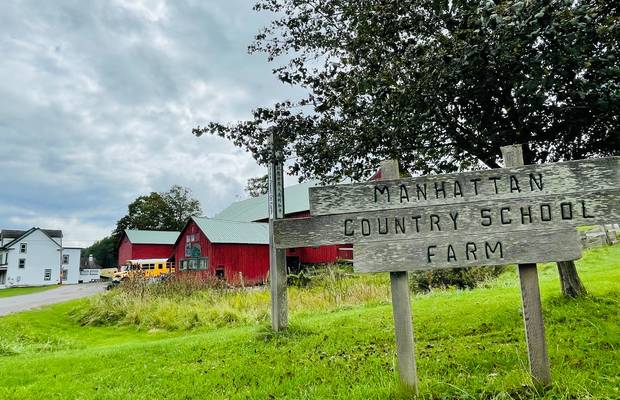
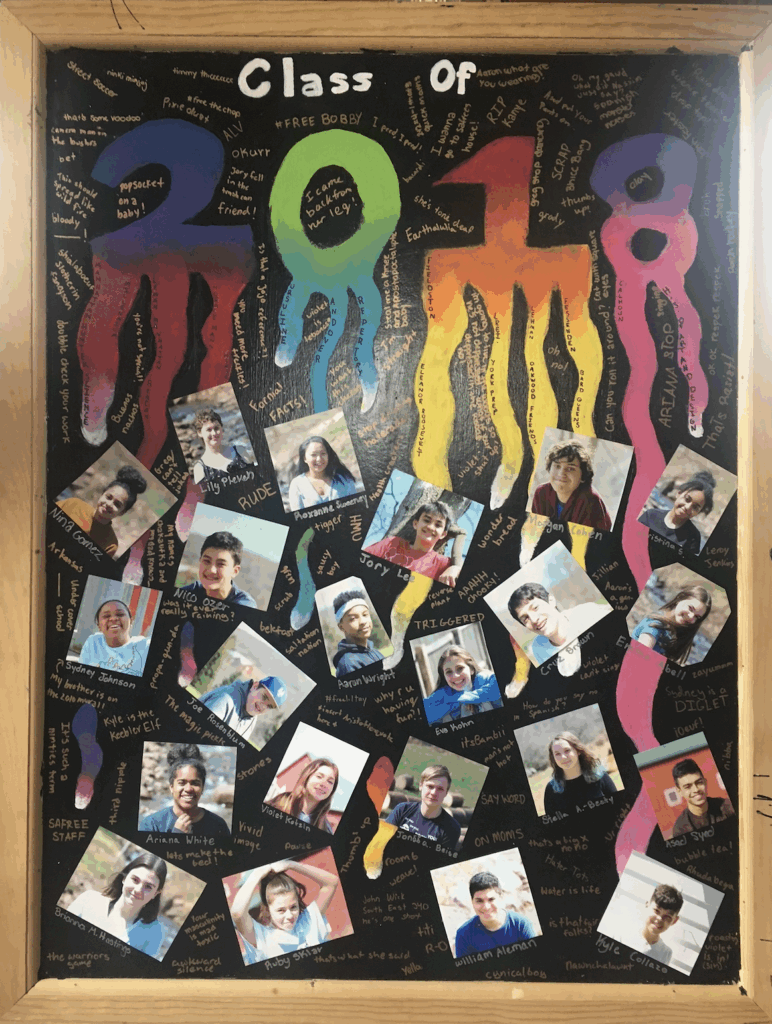
In middle school, every few months, my class would spend a week at a farm tucked into the hills of the Catskill Mountains in New York. We’d arrive with backpacks full of books and games, duffel bags and suitcases with everything from clothes to medicine – whatever we needed for the week along with a bundle of nerves. The weeks would always be full of new experiences – building igloos and sledding in winter storms, harvesting carrots and potatoes in fall, and by the time we left, our hands were calloused, our hearts and minds cracked open.
We did everything—barn chores at sunrise, feeding pigs and cleaning cow stalls. They would lick their salt block as we brushed their soft fur, refilled their water and hay, and left wet licks on our fingers and arms on our way out. After barn chores we’d milk the cows and squeeze milk into lingering cats mouths, and wash our hands in warm soap and water. We learned to compost the food we’d eaten days before, dye yarn, and cook with vegetables we’d pulled from the dirt hours earlier.
“When human beings were too much to bear, the earth consistently held firm under my feet and the solid, sticky trunk of the majestic white pine offered me something stable to grasp. I imagined that I was alone in identifying with Earth as Sacred Mother, having no idea that my African ancestors were transmitting their cosmology to me, whispering across time, “Hold on daughter—we won’t let you fall.”
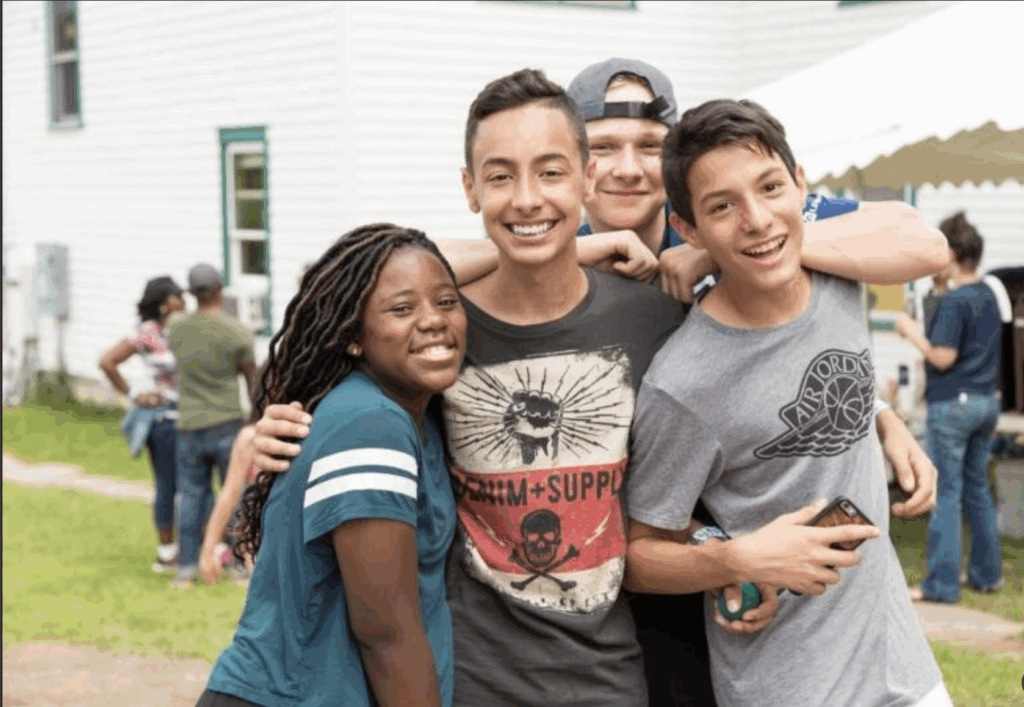
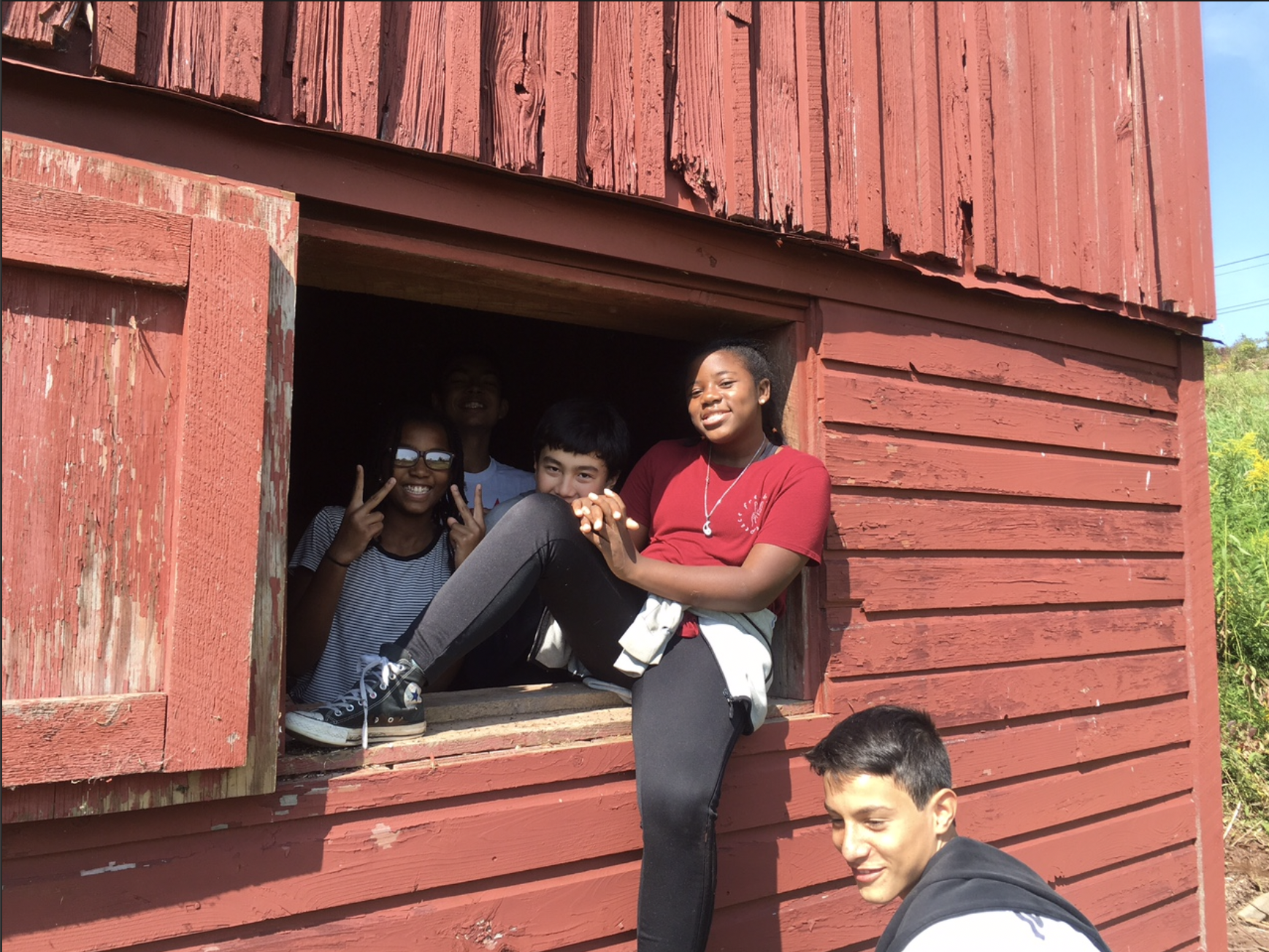
At the time, I didn’t have the language to describe what that farm gave me. Now, reading Farming While Black (Penniman), I do. It gave me a sense of belonging. It taught me that land is not just something you walk on—it’s something you listen to. Something you learn from. Something you love. And through loving the land, and the animals, we learned to love each other. We became more like family instead of friends. Jumping from the hay jump holding each other’s clammy hands, sitting around bonfires warming our bodies and our hearts, staring into starry night skies after playing manhunt on the property, one night we took a hike up to the lean-to and learned that the wintergreen lifesavers glow in the dark – we didn’t know it then but we were creating new memories that would last a lifetime.
As a young Black woman, I carry those weeks with me like seeds in my pocket. That farm was the first place I felt powerful and secure in my body—not because I was performing, but because I was participating. I was part of a cycle older than textbooks, leaving a legacy behind for the next class to come, see, and experience.
Revolution is based on land. Land is the basis of all independence. Land is the basis of freedom, justice, and equality.
Malcolm X said, “Land is life. Land is liberation.” I felt that, even then. I didn’t know the history of Black land loss, or the legacy of Afro-Indigenous farming. But I knew that when I held a chicken, or carded wool, or even herded the cows from grazing —I was home. Doing something passed down in my blood for generations, without even realizing.