Written by Emma K. McDonald
A look inside the world of children’s theatre and arts education from the perspective of a couple of young performers and a theatre kid turned theatre teacher, exploring why the performing arts matters to them.
Right now, somewhere in the world, there is probably a group of theatre kids learning the choreography for an opening number. Leading them is a very dedicated and patient individual; someone who fosters creativity and community, who supports these young performers on their journey to finding their artistic voice. If anyone knows a thing or two about directing children’s theatre, it would be Melissa Myers. Melissa has been working with children in theatre since she was a teenager and has been teaching music at a Catholic school in Rhode Island for a year and a half; she also directs and choreographs the annual school musical. “It’s very rewarding work,” she said, “I mean, you see kids that come in and won’t speak a full sentence to you that end up getting up on stage and, you know, coming out of their shell.” Melissa herself has been performing since she was 9-years-old. She speaks highly of her former theatre and music teachers, smiling as she recalls the countless times they supported her. She went on to study musical theatre at Dean College, graduating with a BFA in 2024.
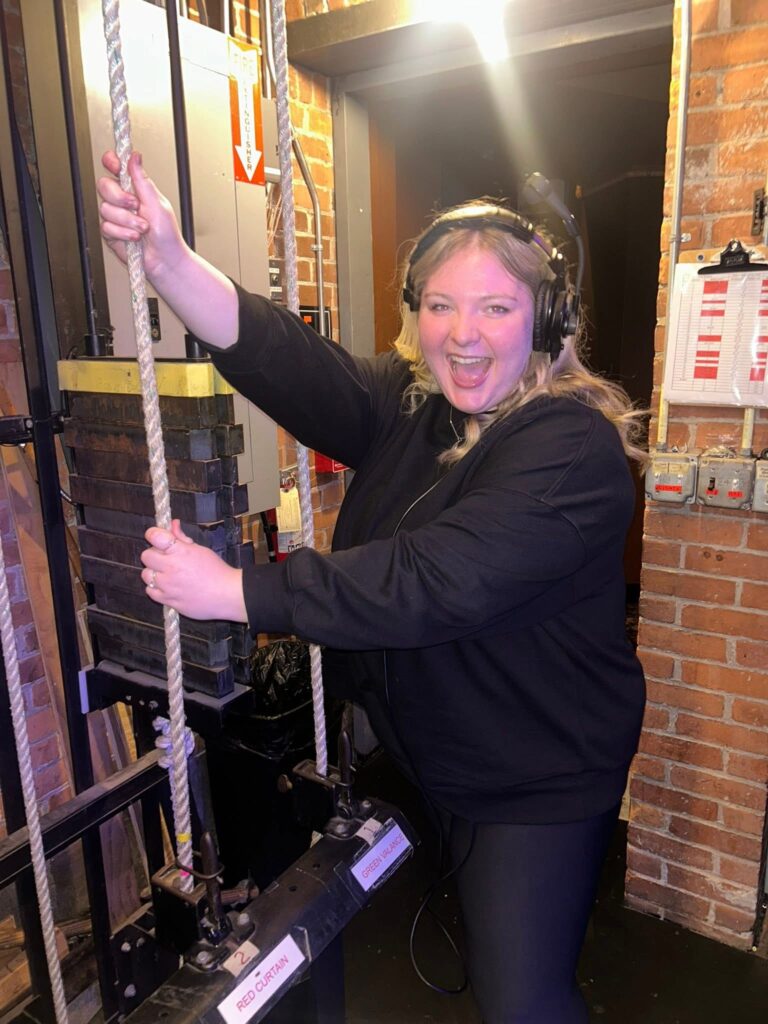
The road from audition to opening night is obviously daunting as Melissa takes a deep breath before explaining the entire process. From January until May, she and her students rehearse three times a week, two hours at a time. That is, until tech week (the week before the show where you slowly add set pieces, costumes and lights day by day) where rehearsal can sometimes take hours, but it all is worth it come opening night. “The energy on opening night is always a mix of excitement and panic,” she explained. “But I always try to reframe it for them and say, ‘Well, no, you’re nervous because you’re excited. Like, you’re getting so frazzled because you care so much about this thing that we’re gonna do tonight.’” Last year, Melissa directed and choreographed their production of Frozen Jr.. Throughout the rehearsal process, she emphasized to her students the central theme of the show: sisterhood. “And that kind of sparked something in them because they realized my character is in control of her fate in this story, and I also am in control of my fate in my own life,” she recalled. It’s those small moments that make theatre special and a valuable asset for young minds, the ability to embody a character that teaches you something about yourself you didn’t know before.
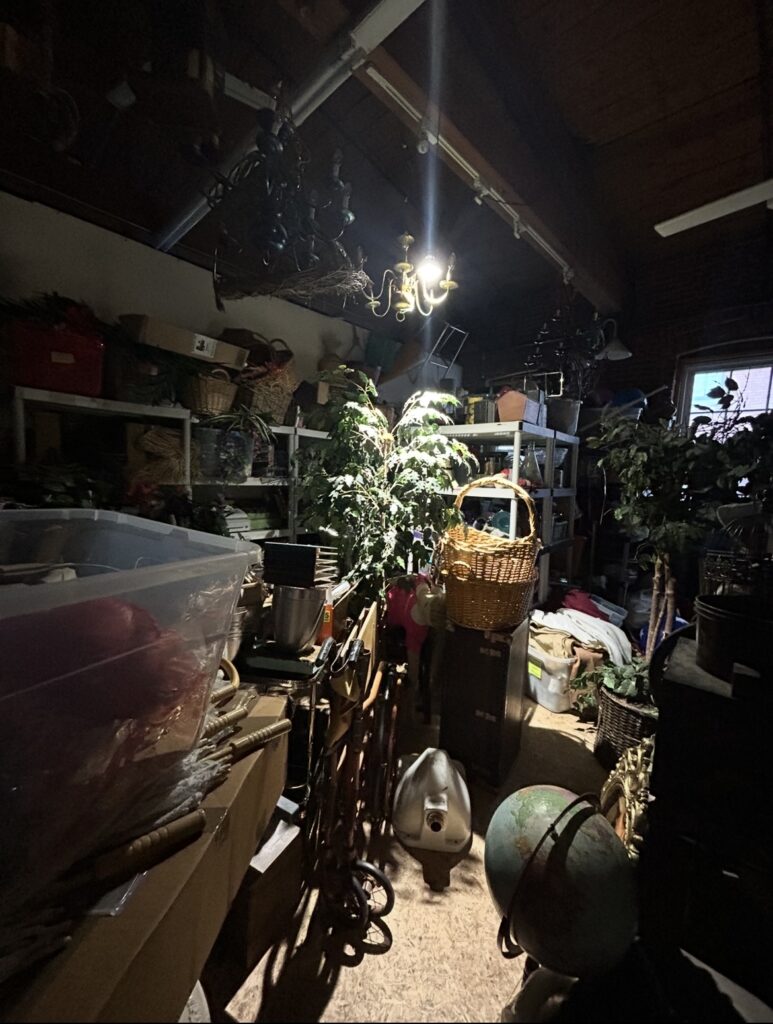
Beyond the classroom, there are a number of community theatres that open their doors to young actors. One of those places is Acting Out Theatre Company in Lawrence, Massachusetts. Just blocks from the Lawrence commuter rail stop, Acting Out has been producing shows for all ages since the early 2000s. Walking up the (rather steep) stairs, you are greeted with a warm and welcoming message that adorn the steps. “Community. Positivity. Just be you.” The lobby is a memorial of shows past, each piece has been on the stage, most likely more than once. Backstage is a treasure trove of deconstructed sets, rooms full to the ceiling with costumes from every era and universe, and a back-lit prop room that almost feels mythical. There may be one or two rehearsals running at a time, or perhaps a dance class or improv class; either way, music will probably be coming from somewhere. Above all, the building feels well loved, comfortable even, like a home away from home.
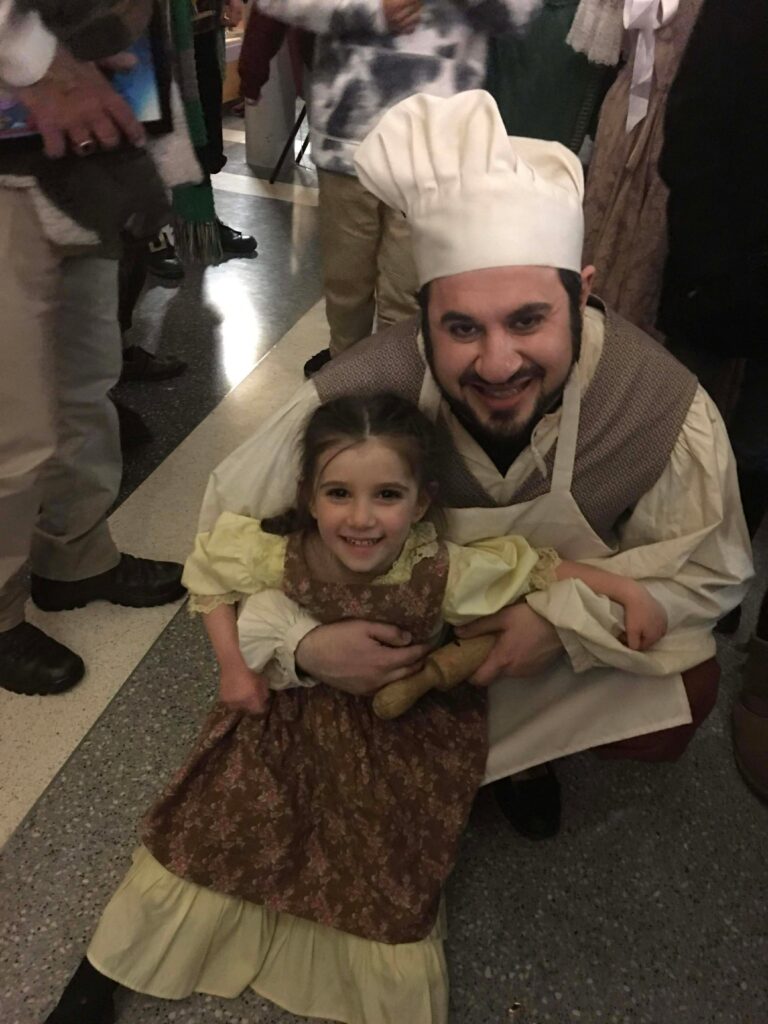
Acting Out offers a number of chances for young actors to engage with theatre through performing in a show or taking a class. Meet two of Acting Out’s notable young performers: Lilah and Ben! Lilah is 12-years-old. She can memorize lines the day before opening night, has already been in 28 shows, and is Idina Menzel’s biggest fan. Ben is 9 and a half years old and prefers to help behind the curtain, but he’s gearing up for a School of Rock audition soon. “Well, I like to think that the roles that people play in theater just kind of teaches them a lesson,” Lilah explained. “Like, if a character in a show has some kind of problem with telling the truth or something. In the end, the character can actually tell the truth and doesn’t hesitate with it. That could also result in making the actor think, maybe I should start doing that.” Theatre has the ability to teach us things by exposing us to stories that make us question what we already knew and enriching our knowledge of the world around us.
Lilah talks about her own “opening night” experiences in a thoughtful but energetic fashion, “Like, if it’s opening night and they’re like, ‘Oh, my God, it’s so great!’ And you’re thinking in your head, ‘I did great on opening night.’ That’s a relief,” she said. “Even if it’s like closing night, that’s just as big of an honor. It always feels great.” It’s clear how much performing (and sharing that performance) means to Lilah; she smiles proudly while reflecting on those memories. She also recalls another significant moment. “Well, when I first did theater, I didn’t really know that the story actually had a meaning,” she said. “And that’s weird because that’s the whole point of theater.” Lilah doesn’t hesitate to express her love for theatre. She’s even planning her Bat Mitzvah party to be theatre themed (which will be at Acting Out, of course)!

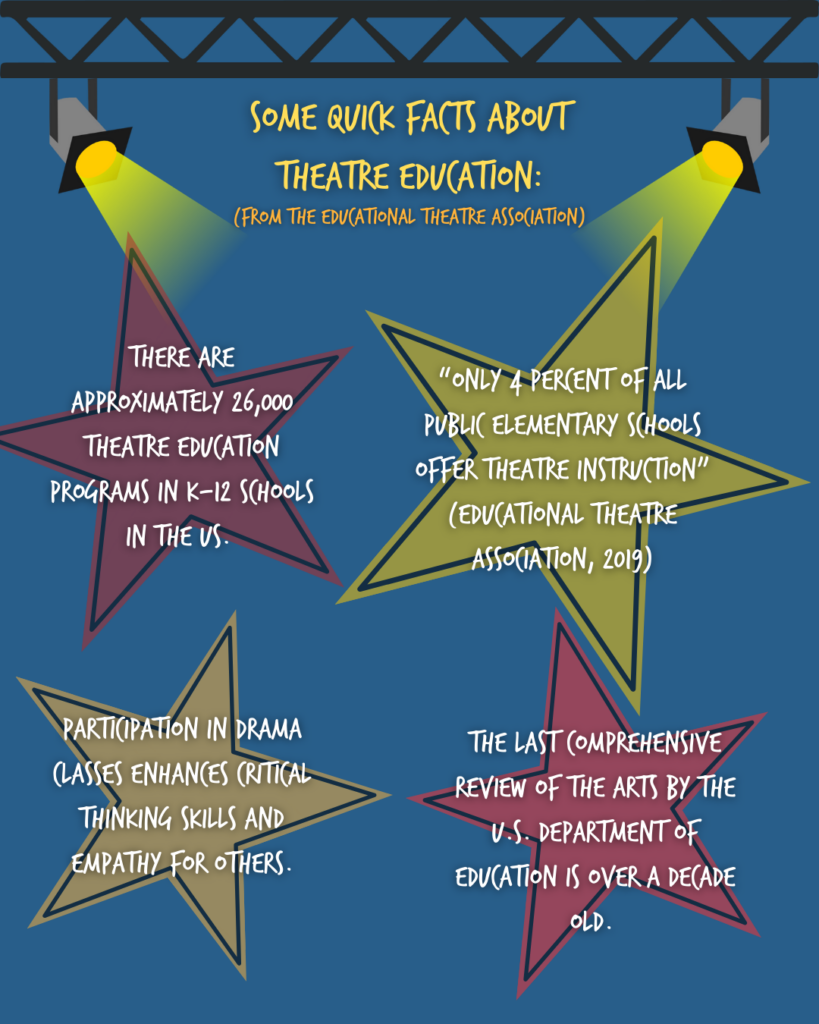
When asked what show they would love to do most of all, Ben quickly responded, “Beetlejuice Jr.” Lilah had four options– Wicked and Redwoods (because they both originally starred Idina Menzel), Little Shop of Horrors (because of the cool giant plant!), and Mean Girls (because the music and dancing is awesome). However, funding for the arts is slowly dwindling as schools and community theatres alike struggle to keep arts education alive. “I would say that the concern among performing arts educators right now is the direction that we are moving in as a country with lack of regard to the arts. And I want to remind people that that doesn’t just impact people on Broadway. It’s affecting children now, too,” Melissa explained. Earlier this year, the Trump administration called for $12 billion worth of cuts to the Department of Education, including a program that helped support arts education initiatives in K-12 schools called the Assistance for Arts Education Program (National Association for Music Education, 2025). It is unclear whether or not these cuts have gone into effect. For community theatres, the prospect is even bleaker with the President proposing an elimination of the National Endowment for the Arts in FY2026 (Paulson, 2025), though the organization appears to still be operating and accepting grant applications. However, just north of us in New Hampshire, the Senate Finance Committee voted to defund the state’s arts council, leaving them a budget of $150,000 (enough to cover a single employee’s salary) and the opportunity to raise funds themselves with tax credits for donors (Towfighi, 2025). For people like Lilah, Ben, and Melissa, theatre is more than simply performing for fun, it’s a connection to a community that creates something meaningful together. “I spend more time at Acting Out than I do [at home],” Lilah said. “It’s just the truth.”
Social Media Posts: