By Nicholas Ciriello
Overview: While the task of running a garden, let alone on a budget, might seem daunting, once you break down the task into small, achievable steps, the task becomes much lighter. This blog post will break down the gardening process into easy, manageable steps that will keep your wallet happy.
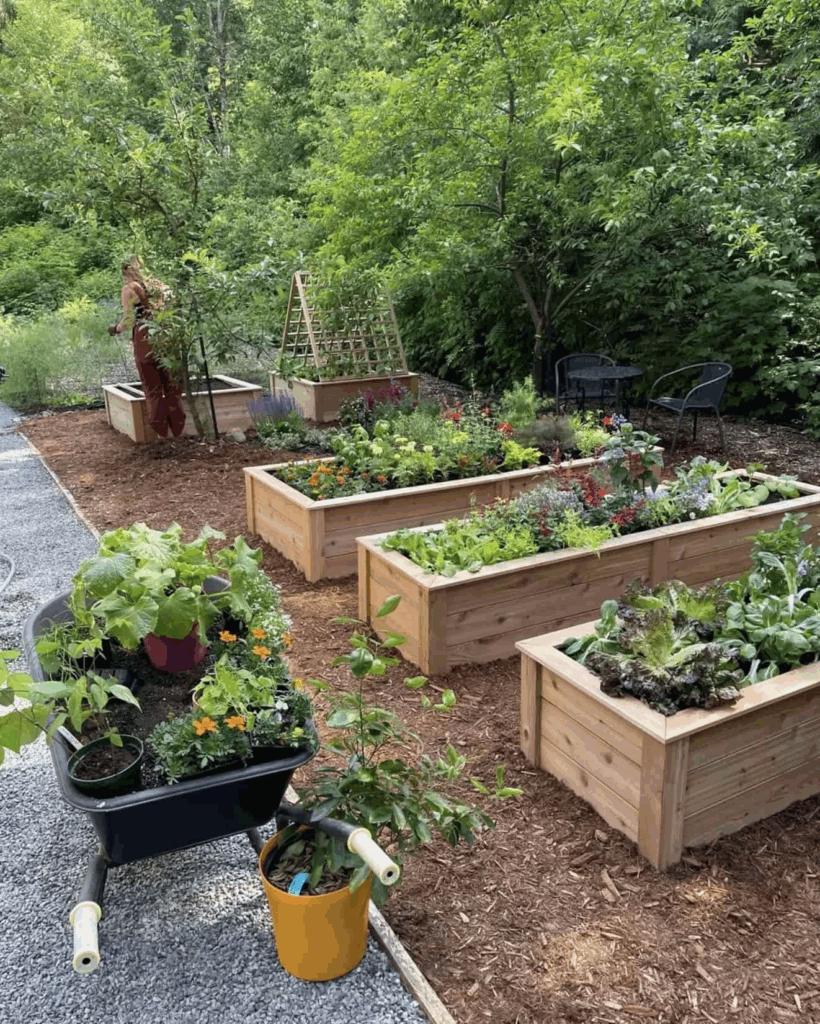
Step 1: Figure out what you want to grow and the ideal spot to grow them. It might seem obvious, but knowing what you want to plant is important in growing a garden, as certain plants might not grow well together, (source: Kate Morgan) Additionally, you want to find the ideal spot to have this garden and grow what would work in the allowed area. For instance, most types of flowers require six to eight hours of sun a day. If you don’t have any space with that much available sunlight, you’ll likely need to compromise and grow something else, (source: Andrea Beck). (Photo credit: One Kindesign)
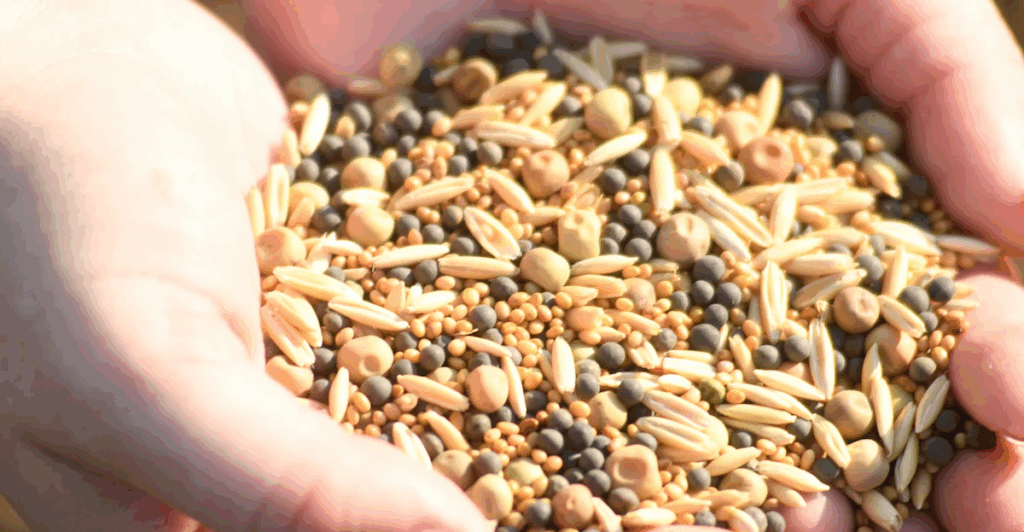
Step 2: Look for affordable or even free seeds on Craigslist or Facebook Marketplace. Lots of people sell or give away their extra seeds. Utilizing seeds people are willing to give away can be a great way to find cheap or even free seeds to start your garden with, (source: Tracey Besemer). It is essential to note, however, that the initial cost of growing your own seeds will be more than just buying plants or vegetables, due to the additional expenses associated with setting up the garden. However, once you have your garden set up, you will save money buying seeds compared to buying fruits or vegetables, (source Natalia Gonzalez Blanco Serrano). Finally, it’s worth mentioning that some plants self-seed. Growing these would be a good investment since they produce their own seeds, saving you money. (Photo credit: SOW Right Seeds)
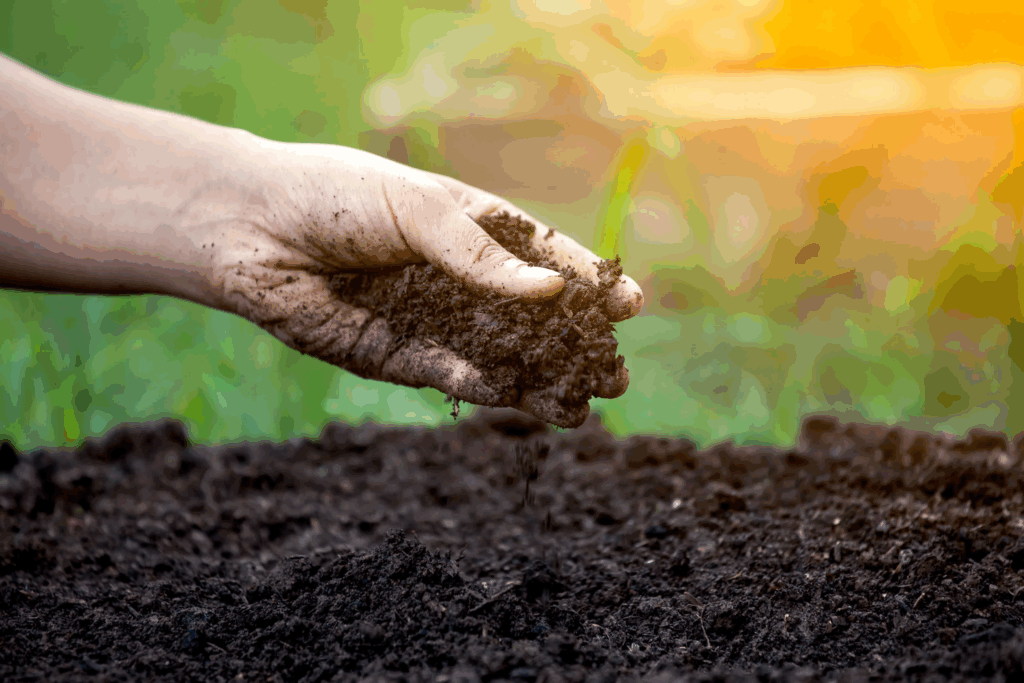
Step 3: Try to find cheap, high-quality soil for your garden. Admittedly, this could be the hardest step because if you have poor soil, nothing would grow, and high-quality soil might cost more, so we recommend buying soils in bulk as it is a good way to get affordable, high-quality soils for cheap, as buying soils in bulk is cheaper than repeatedly buying smaller soil bags, (source: Asphalt Materials Inc.). Additionally, wood chips and their scraps would make a great source of mulch for your soil, and luckily, there’s a free service called Chip Drop that’s available in many areas that delivers free logs, wood-chips, and or tree scraps, (source: Becca Lewis). Once you have your soil we recommend testing at a local cooperative extension office, (source: Andrea Beck). These tests are inexpensive and sometimes even free. However you could even preform these tests yourself as cheap soil testing kits usually range around $10 per sample, (source USDA). If your soil needs it, you could also improve its health for free by composting or from aged manure from local farms, (source: Lauren Landers). (Photo credit: E.P. Jansen Nursery LLC).
There are endless possible things you could do to run an affordable farm. However, in summary, these are the three most important steps to affordably run a garden, as without seeds, soil, and a suitable location for your garden, it doesn’t matter what else you do; you won’t be able to run a successful garden.
- https://home.howstuffworks.com/companion-planting.htm#:~:text=By%20planting%20corn%2C%20beans%20and%20squash%2C%20they,more%20fruitful%20gardens%20and%20natural%20pest%20management. ↩︎
- https://www.bhg.com/gardening/yard/garden-care/ten-steps-to-beginning-a-garden/ ↩︎
- https://www.ruralsprout.com/garden-for-free/#:~:text=Another%20great%20way%20to%20source,I%20suggest%20you%20get%20them. ↩︎
- https://www.bhg.com/gardening/yard/garden-care/ten-steps-to-beginning-a-garden/ ↩︎
- https://zerowastehomestead.com/dirt-cheap-12-easy-ways-to-garden-on-a-budget/ ↩︎