written by Ryan Haroutunian
My Family has had a strange history with gardening. We’ve always tried to grow vegetables in the past, usually Tomatoes to be specific, but it wasn’t often they survived. Many of the tomatoes were eaten by rabbits before they could turn red. We took a break from growing food in our garden, until one day, my mother and brother came home with a little lemon tree. It was my brother’s idea, since he had developed quite the taste for lemon-flavored food. Although it started out rough, we eventually ended up with a batch of bright yellow lemons, so I’m here to spread the fruits of our labor and teach you how to grow lemons as well.

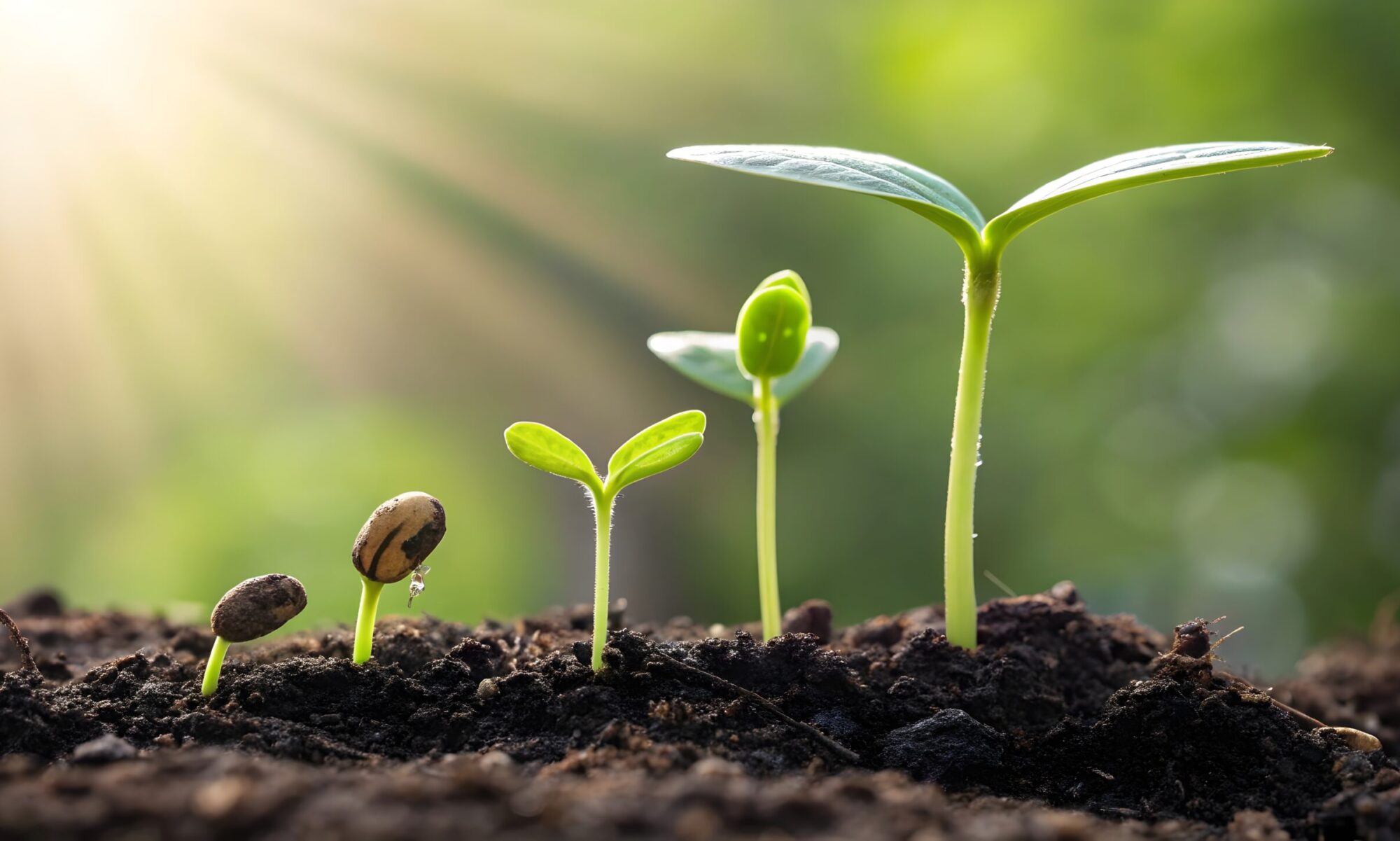
This is what lemons look like when they first begin to grow, small and green. You may mistake them for limes, but give them time, and they’ll show you that they’re lemons alright.
Fruit trees can be daunting, but if you do enough research and be careful, then you’ll succeed like we did. For starters, you have to be in the right environment to grow lemons. Cold weather will easily kill any citrus plant, so waiting for the Spring and Summer is highly recommended. If you live somewhere that is warm regularly like California, then you’re good to go. It’s your choice whether you want to start from the seed, or buy a grown one from the store. If you pick the seed, Ashley Adamant’s website Growing Lemon trees from Seed says “lemon seeds should be planted as soon as they’re rinsed,” and “you should see growth in 1-3 weeks.” (Adamant). Maturing lemon trees can be treated like house plants thanks to their small size, keeping them by windows is a good way to give them sunlight without exposing them to the elements. They should have six hours of sunlight per day at minimum. Andy Wilcox’s article Learn how to plant, grow, and care for lemon trees suggests “They need a location with good drainage and slightly acidic soil.” (Wilcox). It should take 2-3 years for the plant to finally bear fruit. It will then take six months for the fruit to ripen, turn yellow, and be ready to eat.
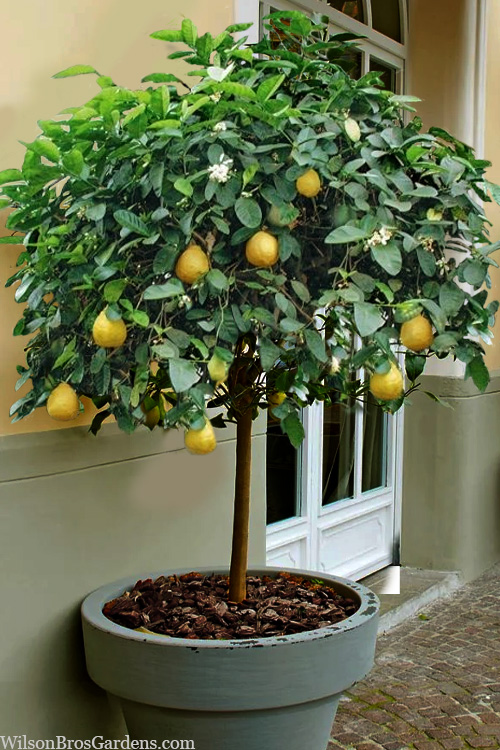
While not as big, this is close to what our lemon tree looks like, a Meyer lemon tree in specific.
When my brother first brought home the lemon tree, I didn’t have much faith that we would actually see the lemons turn yellow. But against all odds, they did, and we plan to let them get even larger to use for baking recipes. I’m really happy that the lemon tree worked out and I’m especially proud of my brother. Lemon cake, frosting, or pie is definitely in our future, as we love baking. With your new lemons, you too can make lemonade, place them over cocktails, and make lemon-flavored desserts.
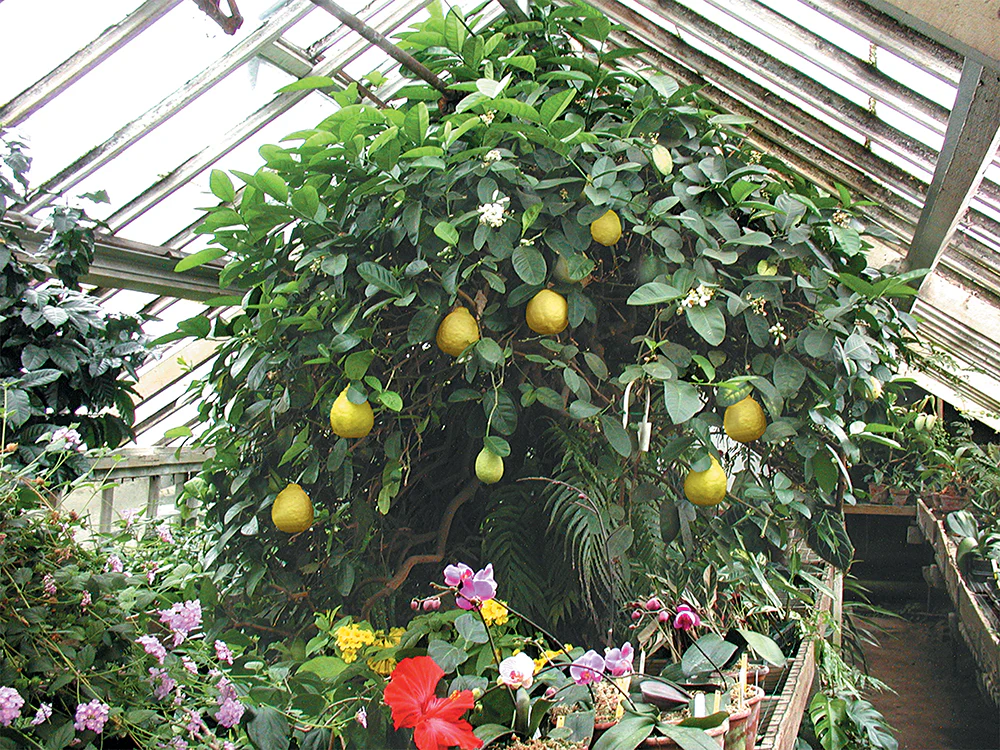
According to Barbi Gardiner on The Best Guide to Growing a Lemon Tree Indoors, “Logee’s greenhouse has a lemon tree that more than a century after being planted, still stands today, producing lemons the size of small melons.” (Gardiner). It truly is the pinnacle of gardening achievement.